Voice AI in Healthcare: Designing for Patient Trust and Comfort

Why Healthcare Voice AI Is Different
Healthcare callers are not typical business callers. When someone calls a medical practice, a mental health clinic, or a specialist consultant's office, they are frequently in an elevated emotional state — anxious about a diagnosis, in pain, worried about a family member, or dealing with a condition that affects their quality of life. The voice they hear when that call is answered matters significantly more than it does when someone calls to book a restaurant table.
Healthcare voice AI that ignores this reality — deploying generic, efficient-but-cold agents that treat medical appointment booking the same way a retail brand treats product enquiries — consistently produces poor patient experience scores, higher no-show rates, and brand damage that takes time to repair. Getting healthcare voice AI right requires designing explicitly for the emotional context of medical communication.
The Core Elements of Healthcare Brand Voice
Effective healthcare voice AI has four non-negotiable characteristics. Warmth: patients must feel that the system — and by extension the practice — genuinely cares about them, not just about processing their booking efficiently. Clarity: medical information must be communicated precisely and at a pace that patients can follow, without clinical jargon that confuses or intimidates. Patience: callers who are unwell, anxious, or elderly may need more time, more repetition, or more reassurance. A healthcare voice agent that speeds through a booking confirmation is not a good healthcare voice agent. And sensitivity: the ability to recognise when a caller is distressed and respond appropriately — not with scripted de-escalation but with genuine acknowledgement of their situation.
Designing for Different Patient Profiles
Effective healthcare voice AI acknowledges that patient profiles vary significantly within a single practice. An elderly patient calling a GP surgery has different communication needs than a busy professional managing a specialist referral. A patient calling about a mental health appointment has different emotional needs than a patient calling to schedule a routine health check. A voice agent designed for healthcare cannot operate with a single fixed tone — it needs to adapt based on signals from the caller while maintaining the core brand voice of the practice throughout.
This adaptation is built into the conversation design phase. We design separate conversation flows for different appointment types and patient contexts, and configure the agent's pacing and tone to respond to caller cues — slowing down when a caller sounds uncertain, offering to repeat information when a caller seems confused, and escalating to a human agent when distress signals exceed a defined threshold.
Regulatory Considerations in Healthcare Voice AI
Healthcare voice AI operates in a more heavily regulated environment than most other sectors. Call recording consent must be obtained and can never be assumed. Patient data accessed during a call — appointment history, medical records, prescription information — must be handled in compliance with UK GDPR and, where applicable, NHS data handling standards. Conversation transcripts containing personal health information have retention and access controls that differ from standard CRM data. These are not optional considerations — they are design requirements that must be built into the architecture before deployment begins.
Measuring the Right Things in Healthcare Voice AI
Standard voice AI metrics — containment rate, average handling time, cost per call — are necessary but not sufficient for healthcare. The metrics that actually tell you whether a healthcare voice AI deployment is working are: patient satisfaction scores for phone interactions, no-show rates (which are significantly affected by the quality of booking and reminder conversations), and first-call resolution for common query types. A healthcare practice that reduces average handling time by 30% but sees patient satisfaction fall or no-show rates rise has not deployed voice AI successfully — it has optimised for the wrong thing.
 Brand Voice AI Agents
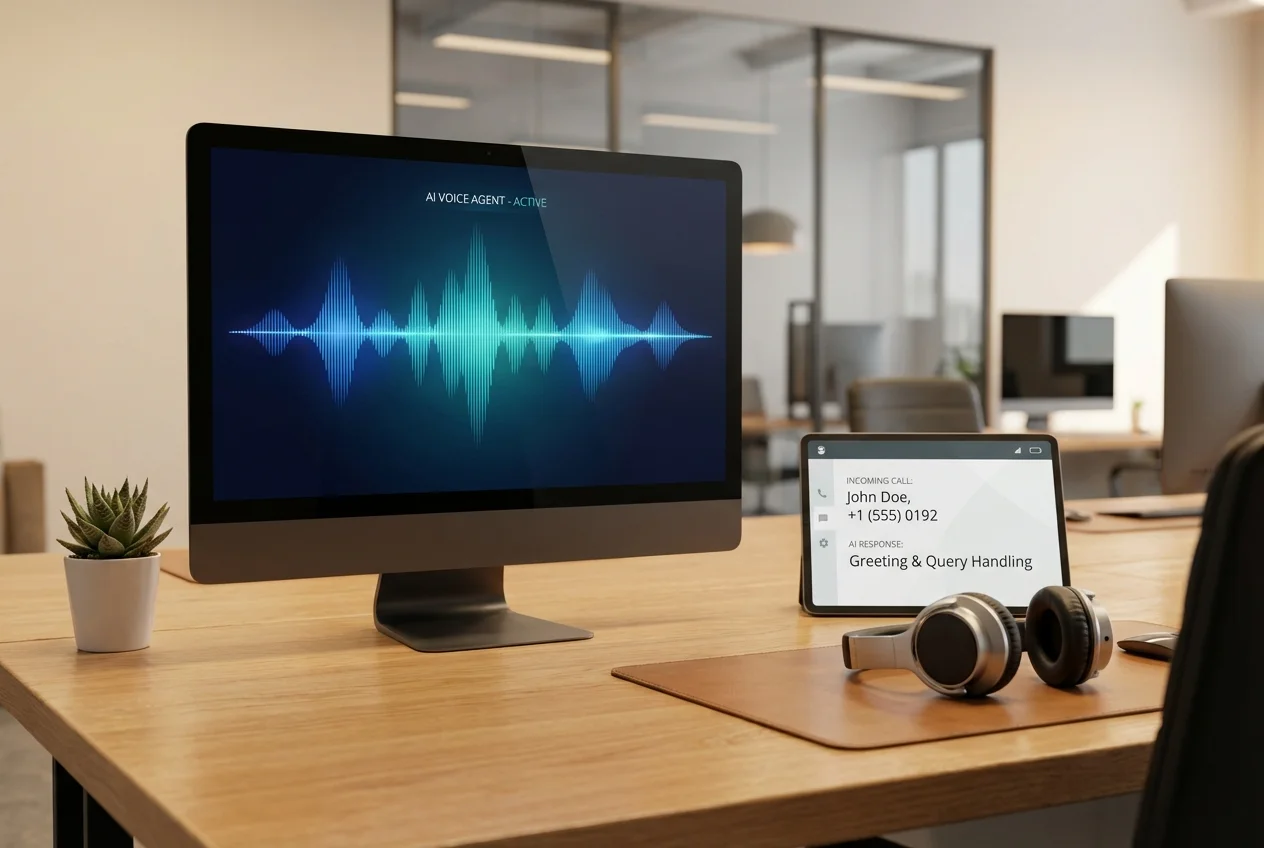 Inbound Call Handling
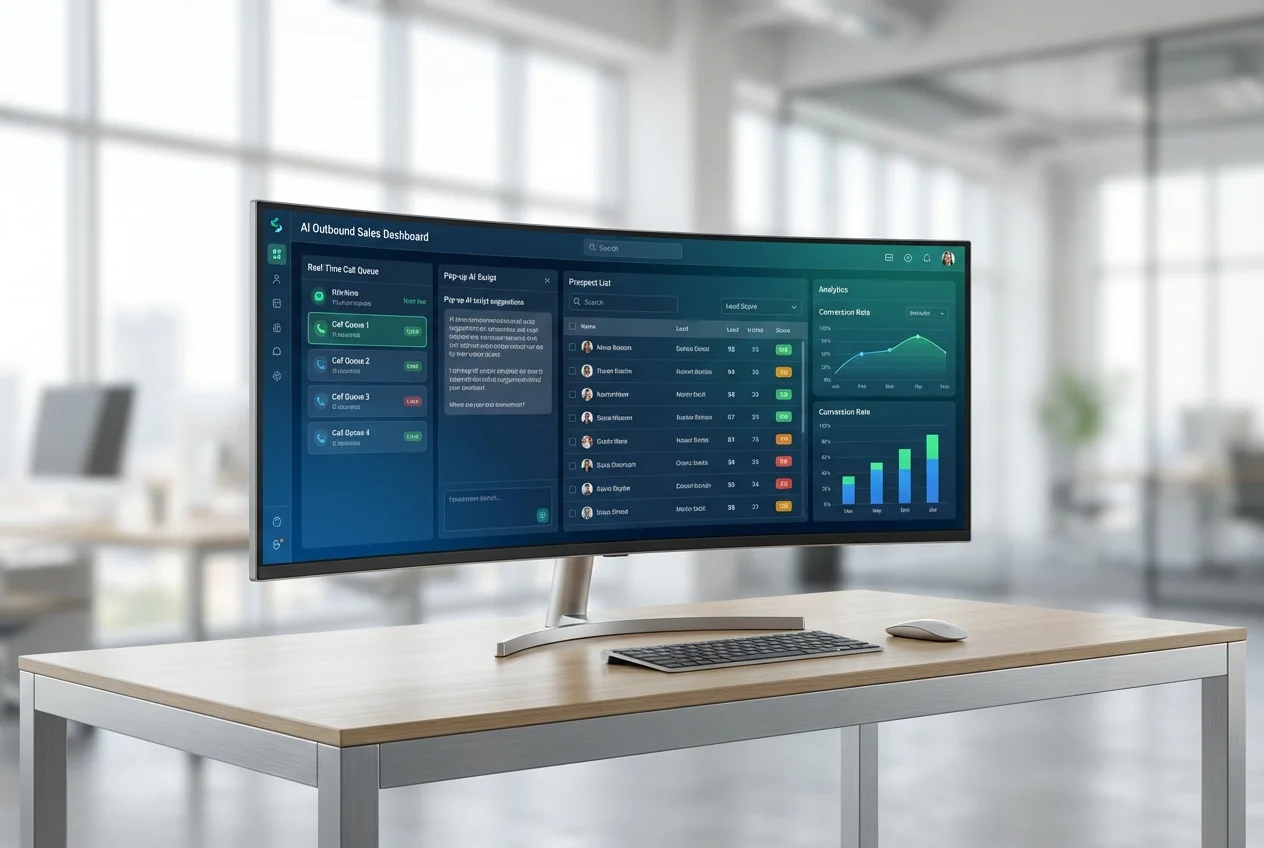 Outbound Sales Agents